

News & Insights
Why brownfield still catches developers out
November 26, 2026
Matt Barrow, Group CEO, Provectus Group

Share this article

The risk on a brownfield site hasn’t changed in all the years I’ve worked in the remediation sector. The risk is the unknown, and the cost of the unknown.
Developers are better educated, and a lot of the bigger organisations now bring in people who have worked in our industry and understand it. However, clients continue to underestimate or not understood the scale of brownfield site risk until the machines are on site.
An old farm is a good example. A developer sees a few sheds and outbuildings and thinks it’s a great opportunity. They then discover there’s asbestos everywhere because it’s demolition waste, or there are tanks in the ground that nobody knew about.
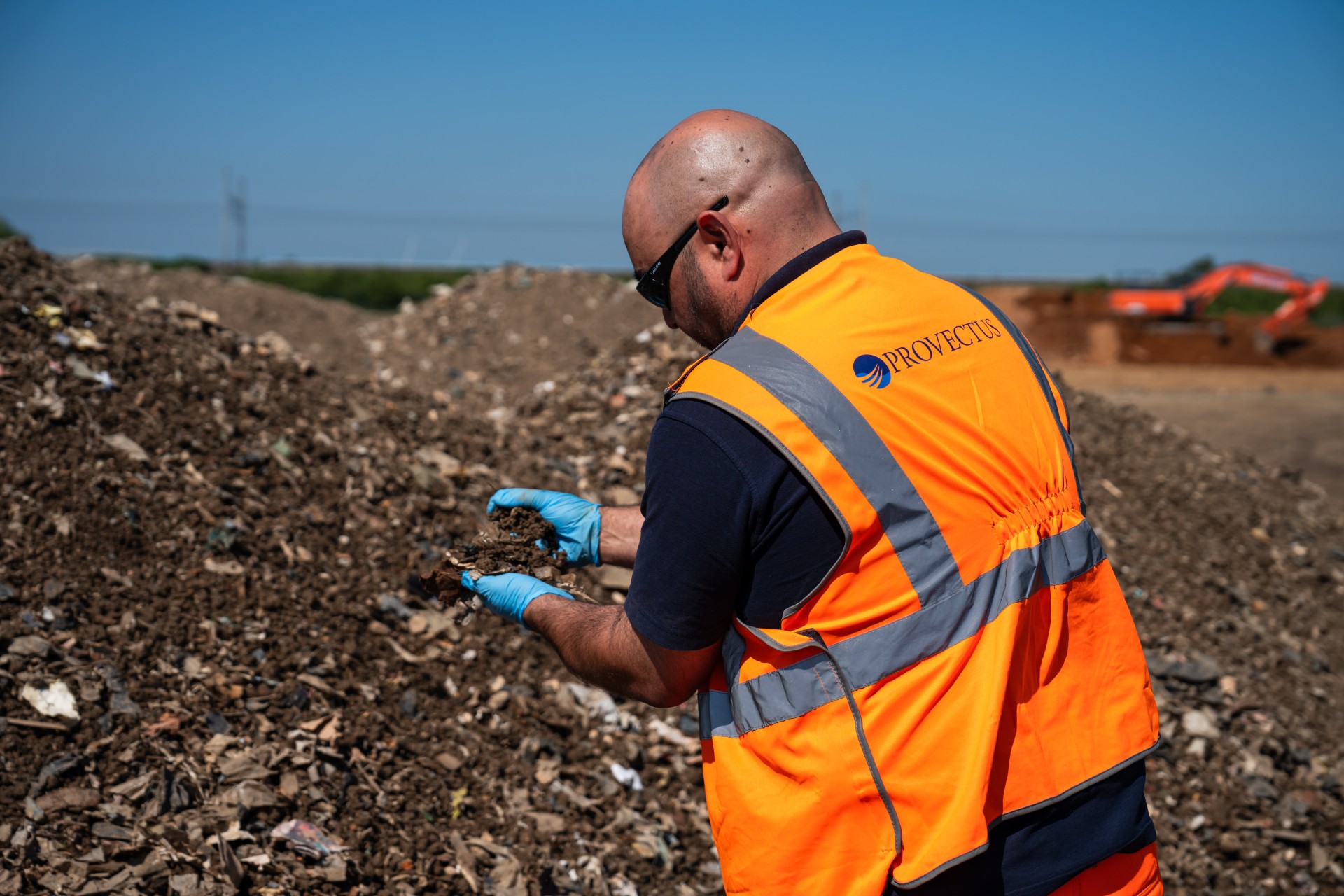
Tom Harrington, who leads business development for Provectus Remediation, has said that more than half of the contaminated soil we deal with is asbestos, and most of the rest is hydrocarbons and heavy metals. None of this is unusual for sites like these. The difficulty is that you can’t see it until you dig, and by then the costs are already escalating.
Why more contingency isn’t the answer
When that cost lands late, the instinct is to add contingency. A bigger number doesn’t tell you what’s in the ground, though. You can dig a trial pit in one part of a site and it looks squeaky clean, then move 10 metres along and find it full of asbestos. The only answer to that is to understand the site properly, and early.
Nick Invernizzi, who has just joined us as Managing Director of Provectus Soils Management, spent years on the developer’s side managing a big portfolio of contaminated sites. His view is that if you’ve paid millions for a piece of land, spending £100,000 on a proper site investigation before you start is a no-brainer. But people don’t want to spend money before planning is secured, so they react to problems they could have planned for, which inevitably drives the cost up.
Tony Huke, who has been opening doors for us for 12 years as Business Development Manager, will tell you that you can almost see clients flinch when you say “early engagement”. They think we’re getting our foot in the door so we can push the price up later. For a long time, if you said you were a contaminated land contractor, it felt as though they thought they were being held up by a highwayman.
Honesty about the number
Our answer to these challenges is to be more transparent. When we get in early, we provide a high-level budget, and then we learn more and rework it. Often the number comes down as we understand the risk profile. That gives clients a lot of confidence that we’re in this to give them best value. I want a relationship that lasts, not to do a job, make a few quid and move on to the next one.
We also spend a lot of time with clients before they’ve bought anything. We’ll do a CPD, we bring them to our facilities and our projects, and we go into their offices. The aim is to get in front of the ultimate client, the person who will own the building when it’s done, because if they understand the risk going into the tender process, they manage it better.
Tom Harrington runs events where he takes developers through a mock site and explains what contaminated land is and where the savings are. This is because many of them see it as a nuisance they’d rather not think about.
It helps if people can see what’s going on, too. Jamie Isherwood, who works on our project team, produces weekly drone footage of our work and he has been told more than once that it put people’s minds at rest.
Why have we not looked at this earlier?
That’s the question I’d like to hear on every brownfield project. Too much of it is reactive. People aren’t considering what’s going to happen next, so when the problem arrives, everyone is firefighting.
Some of that is habit. A lot of people think we’ve always done it this way, so that’s how it carries on. But it’s shifting. The people who think like that are retiring or moving into different roles, and the conversations are now being had with people who haven’t always done it that way and want to know the best way.
What clients tell me they value is honest, transparent solutions. Not smoke and mirrors, not being blinded by science, and not a 50-page proposal that nobody is ever going to read. If you’re looking at a brownfield site, talk to us early and we’ll tell you where we think the risk is.


