

News & Insights
What does Tier 0.5 actually mean?
November 5, 2026
Matt Barrow, Group CEO

Share this article

The contaminatedland and remediation industry has a differentiation problem. Walk round anytrade show and every stand is offering integrated delivery, technical expertiseand a commitment to quality. They all sound the same, and for a lot of clients,so do the contractors. Add an industry that has long worked on the basis of “we’vealways done it this way”, and it’s hard for anyone to get a conversationstarted, let alone a different kind of conversation. What happens if you tellthe market you’re a Tier 0.5 contractor?
When I first cameup with the phrase, a lot of people told me it didn’t make sense. My wife wasone of them. Surely, it should be Tier 1.5, they said, because 0.5 sounds likewe’re half as good. I understand the logic, but that isn’t what it means. Itwas never meant to be an exact definition. It was a hook.
I’m a talker. I’dalways rather get people engaged in a conversation than hand them a brochure. Iwanted something just confusing enough that people would stop and ask what itmeant, and then I could explain.
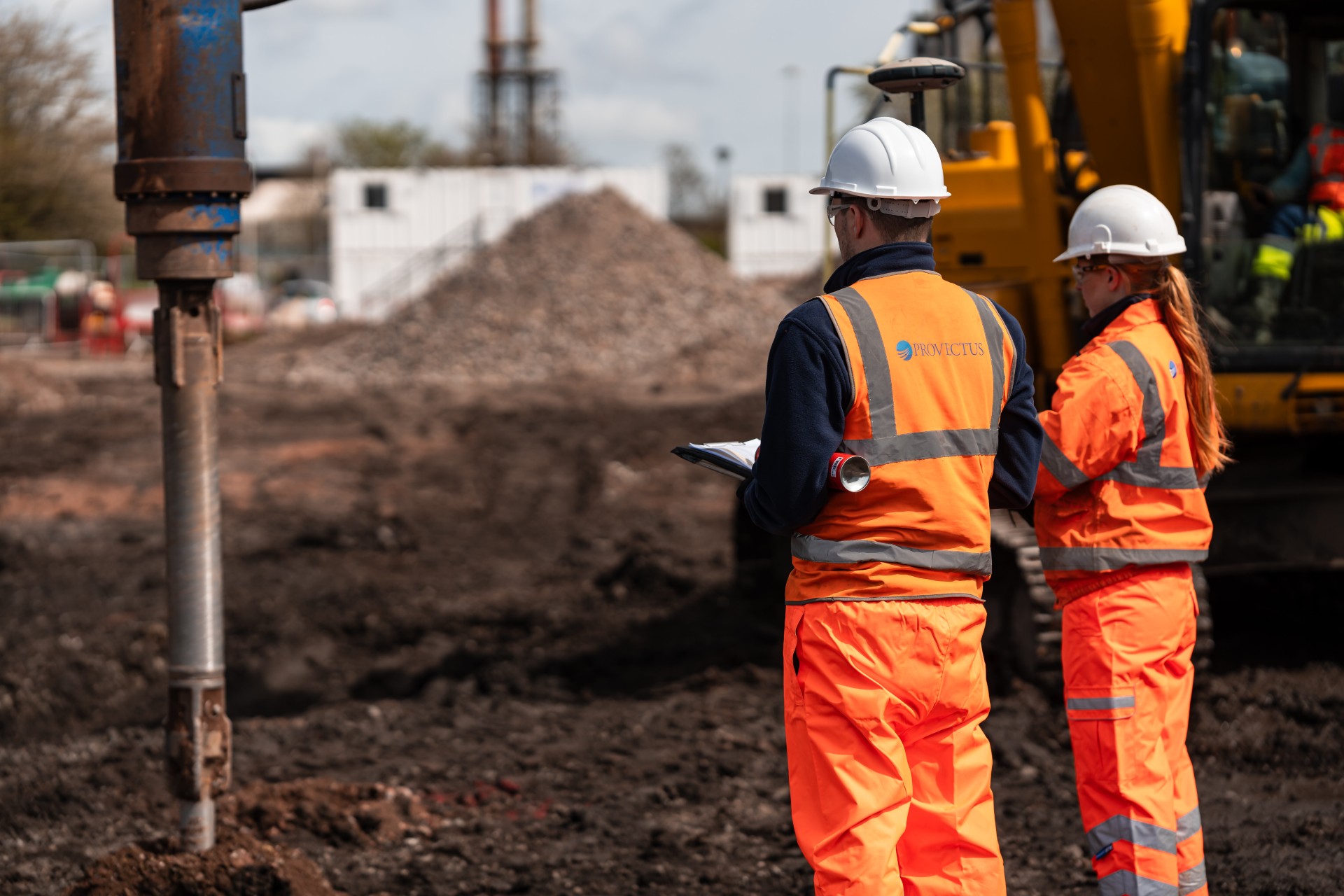
What it means isthat we aren’t a Tier 1 contractor, and we don’t pretend to be. We give clientsthe planning, coordination, technical understanding and stakeholder managementthey’d expect from a Tier 1, but with the agility and focus of a specialist andwithout the overhead that comes with a large main contractor. Tom Harrington,who leads business development for Provectus Remediation, puts it more bluntlywhen he’s talking to clients. When you appoint a larger contractor, you’repaying for the offices, the prelims and the coffee machine in the foyer. Withus, you get the premium service without paying for the foyer.
From hook toproof
I didn’t know howwell the hook would work until we exhibited at UKREiiF for the first time. Wewent with no preconceived ideas. If we’d come home with one or two good leads,I’d have been happy, because enough of those convert to cover the cost of beingthere. Over three days we left with more than 30 tangible enquiries, newclients, follow-up meetings and local authority conversations. A lot of themstarted with someone asking what a Tier 0.5 was.
What I found mostinteresting was who was asking. Many of these enquiries came directly from theultimate client, the investor or asset management company at the start of thesupply chain. That’s where the model really comes into its own, because we can takeon the stakeholder management, work with the client and the designers, anddeliver the whole upfront package.
We’d already doneexactly that at Cardiff Arena, before we ever called it Tier 0.5. We took amain contract role, managed the stakeholders, worked alongside the client anddesigners, and delivered the entire upfront package on a lump sum, fixed pricebasis. The client has been incredibly happy with the service, and we’ve nowessentially finished there. That gave us proof of concept in two ways. It worksin practice, and it gives us something to talk about when someone asks what wemean.
It doesn’t suitevery project, and it’s worth being honest about that. Tom is straightforwardwith clients when a job is mostly earthworks with very little contamination. Wedon’t own the yellow plant, and a contractor who does will usually be cheaperon straightforward groundworks. We’d rather tell a client that than win work wecan’t deliver well. The model works best where ground risk is significant,where the programme is tight, and where the client wants one team accountablefor the outcome rather than several contractors handing over to each other.
This also ties intohow big I want the business to be. We could grow a lot bigger, but I don’t wantto become a business where the overheads rise, the margins tighten and thequality slips. The point of Tier 0.5 is that clients get a Tier 1 level of servicewithout that. That’s what people are paying for, and it’s what I want us tokeep delivering.
If you’ve heard thephrase and wondered what it meant, that was the plan. Ask us, and we’ll explainit properly.


